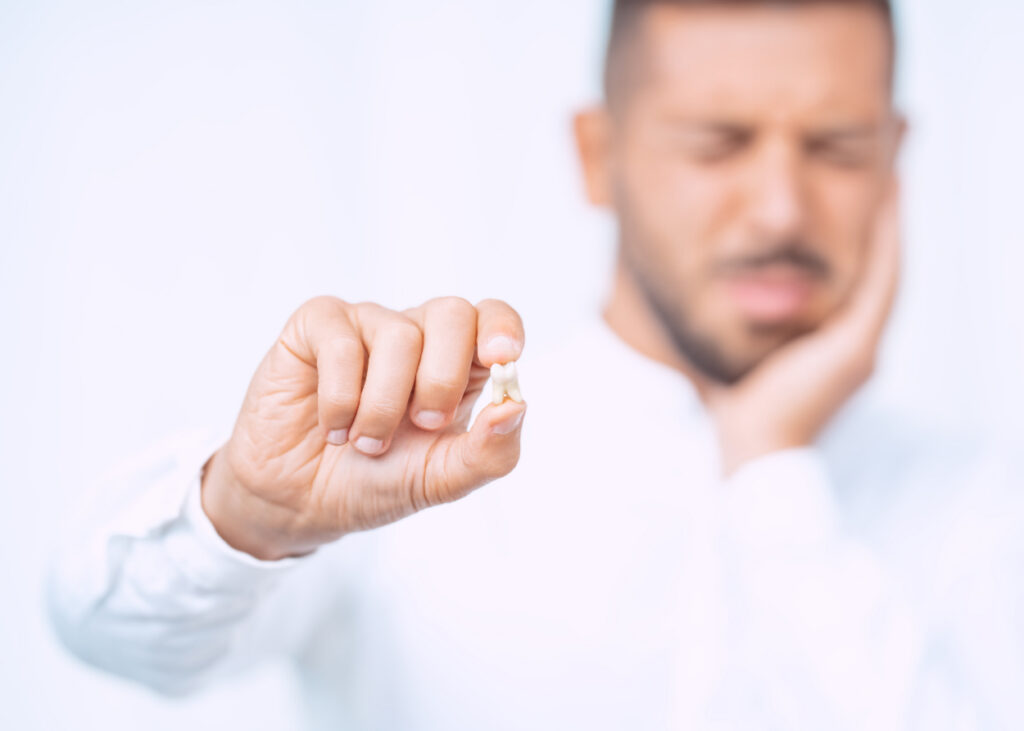
Emergency Dentist Ventura: Managing Broken Fillings
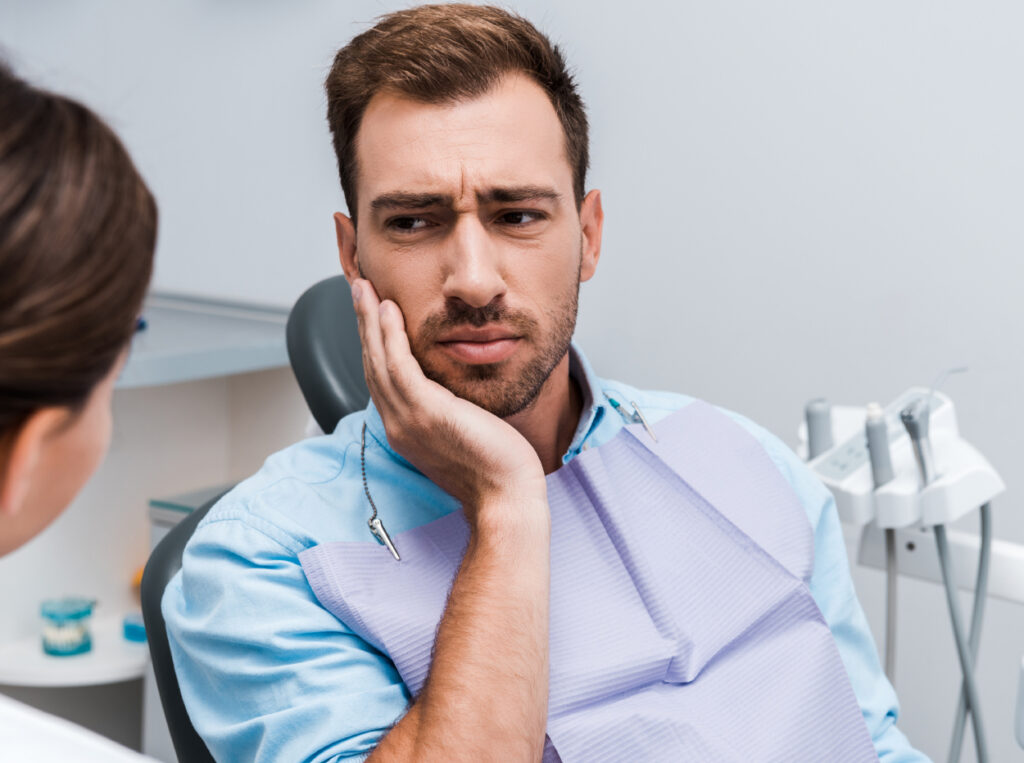
A broken filling has a way of interrupting ordinary life at the worst time. One minute you are biting into a fish taco on Thompson Boulevard, the next a sharp edge catches your tongue and sends a shock through your tooth. Whether the filling chipped, came loose, or fell out entirely, the goal is the same: stay comfortable, protect the tooth, and get it repaired before it turns into a bigger problem. As a dentist in Ventura, I see these cases every week, from long‑time patients with older silver restorations to new arrivals who swallowed a piece of composite at lunch. Most issues can be stabilized the same day if you know what to do.
What counts as a broken filling
Fillings fail in several patterns, each with its own risks and urgency. The most common is a marginal fracture, where a small corner of the filling or adjacent enamel snaps off, leaving a rough ledge that irritates the tongue. Another common scenario is a complete loss, where the filling falls out and exposes the inner dentin. Less often, the tooth itself cracks around an intact filling, especially if the filling is large and has been in place for many years.
Pain levels vary. A shallow chip may be annoying but not severe. An exposed dentin area often feels sensitive to cold air, sweet foods, or touch. A deeper break that reaches the nerve can produce throbbing that wakes you up at night. Even if it barely hurts, treat a broken filling with respect. Bacteria find their way through gaps quickly, and a small gap can turn into an infection over days to weeks.
Why fillings break in the first place
Every restoration has a lifespan. Composite and amalgam both expand and contract with temperature changes, and over thousands of cycles, microcracks develop at the junction between tooth and filling. Chewing patterns matter. Nighttime grinding, clenching in traffic on the 101, or chewing ice scars the enamel and stresses the material. Age plays a role. Many silver fillings placed in the 1990s are still going strong, but by the 20 to 30 year mark, it is common to see edges weaken or decay sneak under the margins.
Diet and habits add their own pressure. Hard nuts, unpopped popcorn kernels, and sticky caramels are frequent culprits. So is biting thread or bottle caps, a habit we all promise to stop after a crack reminds us. Dental anatomy can stack the deck too. Teeth with large fillings have thinner remaining walls. If a tooth was already cracked when the filling went in, the filling may hold the pieces together for a while, then give way during an ordinary meal.
When it is an emergency
In dentistry, emergency describes a situation that risks infection, severe pain, or permanent damage if delayed. A broken filling becomes urgent when there is:
- Persistent pain that does not improve with over‑the‑counter pain relievers.
- Sensitivity that lingers more than 10 to 15 seconds after cold or sweet exposure.
- Visible swelling of the gum or face.
- A sharp edge that cuts the tongue or cheek repeatedly.
- A gap so large food compacts into it with every bite.
If you are unsure, call an emergency dentist Ventura office and describe your symptoms. A quick phone triage can separate what needs care today from what can wait 24 to 48 hours. Many practices in Ventura keep same‑day slots for true emergencies, especially on Mondays and Fridays when weekend mishaps show up.
Immediate steps you can take before your appointment
These measures help keep you comfortable and protect the tooth until you see a dentist.
- Rinse gently with warm salt water to clear debris and soothe the gum.
- If there is no allergy, take ibuprofen as directed with food, or acetaminophen if ibuprofen is not appropriate for you.
- Use temporary dental filling material from a pharmacy to cover a deep hole, but do not force it if you feel sharp pain on pressure.
- Avoid chewing on the affected side and stay away from very hot, cold, or sticky foods.
- If a rough edge is cutting your tongue, place orthodontic wax over it as a short‑term buffer.
These are bridges, not solutions. Temporary kits can buy a day or two, but they do not bond like professional materials and they can trap bacteria if left too long.
What to expect at an emergency visit in Ventura
A focused emergency appointment starts with a conversation. How did it break, what hurts, and when did the pain begin? A clinical exam follows. We check the bite, test for tenderness, look for hairline cracks, and measure the gum around the tooth. An X‑ray is typical, even if the break looks obvious. It reveals hidden decay, the depth of the old filling, and the proximity to the nerve. With those pieces, we can decide whether a simple repair will work or if the tooth needs a crown or nerve treatment.
For small to moderate defects, a new composite filling often restores the shape the same day. We isolate the tooth to keep it dry, remove any decay or loose material, place a bonding agent, then sculpt and cure the composite in layers. The adjustment at the end matters. A high spot in the bite can trigger pain later, so we check with thin marking paper and fine tune until it feels normal.
If the filling was large or the tooth walls are thin, a crown usually serves better than another filling. A same‑day crown may be an option depending on the office’s technology. Some Ventura practices can scan the tooth, design a custom ceramic crown, mill and bond it in one visit. Others take impressions and place a temporary crown while a lab fabricates the final. In either case, a protective temporary can stabilize the tooth, stop the sensitivity, and let you return for the final bond within one to two weeks.
If the nerve is inflamed or infected, we may start root canal therapy. Modern techniques and anesthesia make this far more comfortable than people expect. Many patients drive themselves home and return to work the next day. Once the root canal is complete, the tooth still needs a final restoration, most often a crown to prevent fracture.
Material choices, and how they show up in real life
Patients often ask about composite versus amalgam, and whether ceramic or gold crowns are worth the difference. The right answer depends on the tooth, your bite, and your goals.
- Composite fillings bond to enamel and dentin, look natural, and allow conservative shaping. They shine in front teeth and moderate back teeth. They are sensitive to moisture at placement, so careful isolation is vital, especially for lower molars where the tongue and salivary glands are close.
- Amalgam is durable and forgiving of slight moisture. For patients who grind or who cannot keep an area dry, it resists wear well. Many Ventura patients prefer tooth colored options, which is understandable. For a far back molar in a heavy grinder, though, I still discuss amalgam as a workhorse choice if cosmetics are not a priority.
- Ceramic onlays and crowns match tooth color, resist staining, and hold up well under normal chewing. They can be fabricated same day in some offices. They require enough tooth structure to bond properly.
- Gold works beautifully for onlays and crowns in heavy biters. It wears like enamel and is kind to opposing teeth. It is visible, so placement in back teeth suits most people best.
A story illustrates the trade‑offs. A Ventura longshoreman came in with a broken corner on a lower molar that previously had a large amalgam. He wanted it to look natural. We discussed a big composite, but the remaining walls were thin. Given his heavy bite and night clenching, an all‑ceramic crown made more sense for longevity while still meeting his cosmetic goal. Three years later, it is intact and symptom free.
How delay changes the outcome
A minor chip left alone often becomes a major repair. Enamel protects dentin, which protects the nerve. Once dentin is exposed, bacteria move faster. The zone under a leaky margin is warm and nutrient rich, and decay advances in a wedge pattern. What could have been a 30 minute refill becomes a crown or root canal within weeks to months, depending on your hygiene, diet, and genetics.
Another hazard of waiting is fracture propagation. Microcracks lengthen with every hard bite. A split that stops short of the nerve today can run deeper and split the root tomorrow. At that point, extraction and an implant or bridge are the only predictable choices. That is a far bigger investment of time and money than a timely restoration.
Cost, insurance, and practical planning
Fees vary across Ventura County, but a simple composite filling often falls in the low hundreds, while crowns range higher depending on material and whether digital same‑day technology is used. Root canal therapy adds its own fee, plus a final crown. Dental insurance typically covers a portion, though replacement time limits and downgraded benefits can complicate estimates. For example, a plan might cover a composite at the rate of an amalgam on a back tooth, leaving a modest difference. Pre‑estimates help but are not instant. For emergencies, we usually provide a range and proceed with what stabilizes the tooth immediately, then refine the plan once coverage details arrive.
Many emergency dentist Ventura offices offer payment plans or work with third‑party financing for larger treatments. If cost is a concern, be candid early. There are often phased approaches. We can place a protective filling today, then plan a crown in a few weeks. Just remember that temporary fixes have expiration dates. A protective glass ionomer filling, for example, buys time but will not outlast a full restoration in a heavy chewing zone.
Special situations: kids, pregnancy, and seniors
Children break fillings less often than adults, but it happens, especially with molars restored after early decay. Kids may not articulate pain well, instead they chew on one side or avoid cold drinks. If the break is small and the tooth is close to naturally falling out, a smoothing and sealant can be enough. For permanent molars, we repair promptly to protect the nerve and keep space stable for orthodontic planning.
During pregnancy, dental emergencies should not wait. Untreated infection risks both mother and baby. Most routine dental care is safe in the second trimester. Local anesthetics without vasoconstrictors are available if needed, and we weigh the benefits. X‑rays can be taken with proper shielding when the information changes the treatment plan. If a temporary solution can comfortably bridge to after delivery, we consider it, but not at the expense of pain or infection.
Seniors have unique patterns. Gums may recede, exposing root surfaces that decay faster. Older fillings are more common, and saliva flow can be reduced by medications, which increases cavity risk at the margins. For some patients, dexterity issues complicate brushing and flossing. In these cases, we also talk about adjuncts like high‑fluoride toothpaste, saliva substitutes, and recall schedules tight enough to catch small problems before they escalate.
The role of a cosmetic dentist Ventura patients trust
When a front tooth filling chips, the stakes are different. The repair must blend with the surrounding enamel in color, translucency, and texture. A cosmetic dentist Ventura patients rely on will manage shade in layers, not a single blob of composite. We shape tiny vertical ridges to mimic natural light scatter, polish to a luster that matches adjacent teeth, and adjust the bite so the edge is not hammered every time you close.
Cosmetic goals also matter in back teeth for patients with a wide smile line. If you laugh big and show your molars, a white onlay or crown may be a better match than metal. The best result balances beauty, function, and strength. Your dentist should walk you through those variables with photos, models, and clear language so the choice feels informed, not rushed.
Choosing the right provider when every hour counts
When the filling breaks at 7 a.m. And you have a client meeting at 10, you need a practice that answers the phone, triages wisely, and has the skill to deliver a durable fix on short notice. Here is a quick filter I recommend when looking for the best dentist in Ventura for emergencies.
- Same‑day access and clear triage by a real person, not a maze of voicemail.
- On‑site diagnostics such as digital X‑rays, and isolation methods like rubber dam for high‑quality bonding.
- Breadth of services under one roof, including the ability to place crowns promptly or coordinate root canal therapy.
- Transparent fees, written estimates, and help with insurance so you are not guessing.
- A calm, organized chairside manner that explains choices without pressure.
Ask neighbors, read reviews with an eye for details about responsiveness and comfort, and trust your first impression of how the office communicates. An emergency is often your first window into how a team handles the rest of dentistry.
Aftercare that prevents a second emergency
Once the tooth is restored, give it a sensible ramp up. If you received a new filling, expect minor temperature sensitivity for a few days. If the bite feels different the next morning, call for a quick adjustment. The periodontal ligament around the tooth has a memory, and it will calm once the pressure normalizes. For crowns, avoid sticky candies and very hard foods on that side for the first 24 hours if we used a resin cement that continues to develop strength. If you grind at night, a custom guard protects both natural teeth and restorations. Over the years, I have seen night guards pay for themselves many times over.
Home care matters more than any magic material. Use a soft brush, small head, gentle circles at the gumline, and floss with a steady rhythm. Focus on the edges where a filling meets the tooth. That is where plaque sits and acids gather. For patients with a history of marginal decay, I often recommend a prescription fluoride toothpaste at night. It hardens enamel and slows the bacteria that thrive on sugar. Chew sugar free gum after meals if you cannot brush. The saliva boost helps neutralize acids.
Diet is the quiet contributor. Sip water, not soda, between meals. If you enjoy citrus or sparkling water, have it with meals rather than sipping for hours. Frequency drives acid damage more than the total amount consumed at once. And rethink that bag of ice. Teeth are for chewing food, not for crunching frozen cubes while you catch the sunset at the Ventura Pier.
Edge cases that test judgment
Not every broken filling should be replaced in kind. Two examples:
A small chip on the corner of a front tooth with prior bonding can sometimes be polished and spot bonded without replacing the entire filling. The key is whether the old bond is solid and the shade still matches. Over‑treating strips away natural enamel that you might want later.
A cracked lower molar with a giant old silver filling and a fresh cusp fracture looks fixable with a deep filling at first glance. If the crack travels down the groove toward the root, a crown is the safer long‑term choice. Skipping the crown saves money today and buys a bigger bill tomorrow when the split deepens. This is where a dentist’s judgment, bite analysis, and sometimes a diagnostic temporary guide the plan.
How Ventura practices handle logistics and timing
Traffic on Victoria Avenue and the spacing of dental labs influence scheduling more than most patients realize. Offices that fabricate same‑day crowns in house can often finish a tooth in about two hours from scan to bond for straightforward cases. Practices that use outside labs will place a well‑fitting temporary and schedule a return visit in one to two weeks, depending on lab volume and shipping. Neither path is inherently better. Same‑day is convenient and avoids a temporary, while lab‑made restorations allow for certain materials and esthetic nuances that still exceed what in‑office mills can produce in some hands.
Emergencies squeeze schedules. Most Ventura dentists reserve blocks for the unexpected, but peak seasons like summer bring more calls. If your broken filling is not painful, but you want it repaired quickly for comfort, say so plainly. A brief smoothing of a sharp edge plus a scheduled definitive appointment may be the fastest route to normal life, rather than waiting for a long same‑day slot.
When extraction is the honest answer
No one likes this chapter, but it belongs in a complete guide. Some broken fillings reveal fractures that run below the bone, vertical root cracks, or decay so deep there is not enough structure to hold a crown. In those cases, extraction is often the predictable, kinder option. From there, an implant is the gold standard for single‑tooth replacement, preserving bone and chewing efficiency. A bridge or partial denture can also restore function depending on the site and your goals. A good dentist explains the evidence, shows you the X‑rays and photos, and gives you time to think. You deserve to understand why saving a tooth is not always the best medicine.
A local snapshot
Here is how a typical day looks from the chairside in Ventura. A teacher from Midtown calls at 7:30 a.m., a filling fell out while she was flossing. We see her at 9, place a bonded composite in a molar with a clean cavity base, and she is teaching again by noon. At lunch, a surfer walks in, front tooth chipped on a board rail. Shade chosen in natural light near the window, layered composite restores the edge. By late afternoon, a retiree arrives with a painful, broken silver filling and swelling that started overnight. The X‑ray shows deep decay. We open the tooth, drain the infection, place medication, and provide antibiotics with strict instructions. He sleeps through the night for the first time in three days. Different stories, same goal: stop the pain, protect the tooth, and return patients to the things they value.
Bringing it all together
A broken filling is not a dental personality test, it is a solvable mechanical and biological problem. Fast, thoughtful steps keep it small. Rinse, protect, avoid that side, and call an emergency dentist Ventura patients trust. Expect a clear plan that matches the size of the break, from a simple composite repair to a crown or root canal when needed. Ask about materials, costs, and timing. If appearance matters, involve a cosmetic dentist Ventura residents recommend, especially for teeth that show in your smile. Keep your expectations practical. Durable restorations need a stable bite, dry field during placement, and daily care at home.
If you are searching for the best dentist in Ventura for this situation, look for consistency, not just convenience. A team that answers, explains, and follows through will make the rough edge of today feel like a small detour, not a derailment. And the next time you face down a bag of almonds or a crusty baguette, you will do it with the confidence that your teeth, and the work supporting them, are ready for the job.
Avra Dental
Address: 1708 S Victoria Ave B, Ventura, CA 93003
Phone number: (805) 941-1001
FAQ About Dentist in Ventura
Did Tom Brady get veneers?
Tom Brady's front teeth are slightly lengthened with teeth veneers and the edges are rounded to match his other teeth.
Can a dentist prescribe diazepam?
The dental practitioner's formulary i.e. the list of drugs a dentist can prescribe, includes Diazepam and other sedatives. Some dentists do prescribe these for their anxious patients. The dentist should be responsible for issuing the prescription for these patients.
What is the 50-40-30 rule in dentistry?
The 50-40-30 rule in dentistry is a guideline used to determine whether a tooth should be restored with a filling or a crown. It suggests that if damage exceeds certain limits of the tooth's structure, a crown or onlay may provide better long-term protection than a simple filling.